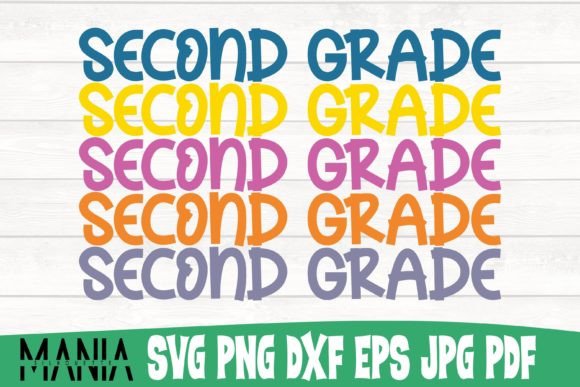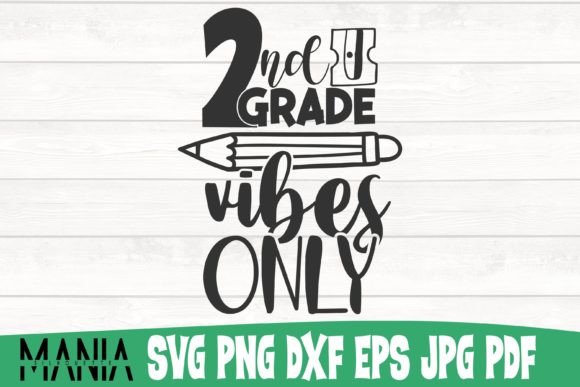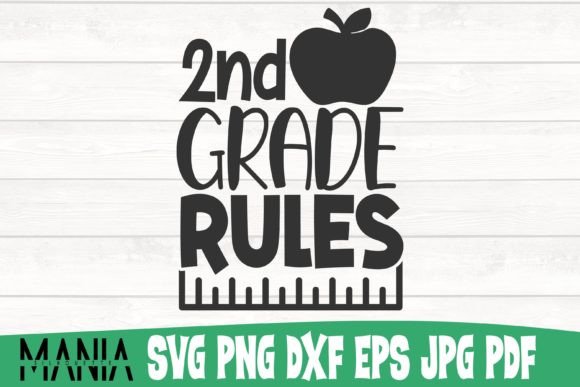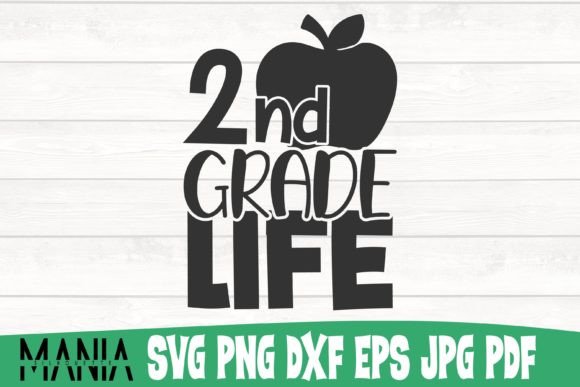
Second Grade Life Svg Cut File Design
As a designer who spends more time looking at stitch density charts than actual embroidery, I approach every new digital asset with a healthy dose of skepticism. The market is flooded with "ready-to-stitch" files that look great on screen but fall apart under the needle. When I first pulled up Second Grade Life Svg Cut File Design, my immediate reaction was less about the technical specs and more about the narrative potential. It’s not just a graphic; it’s a mood board for nostalgia, growth, and the chaotic beauty of childhood milestones.
I evaluate designs based on how they translate from a flat vector to a textured, dimensional reality. This pack contains ➤ 1 SVG files perfectly designed for Cricut and Silhouette Studio ➤ 1 PNG files transparent background ➤ 1 EPS files for editing purposes ➤ 1 JPEG files for Iron On Machines ➤ 1 DXF. While these formats offer incredible versatility for cutting and ironing, my focus here is strictly on its viability as a machine embroidery design for small business owners, Etsy sellers, and handmade shop owners who want practical design insight before using or selling a finished project.
The First Impression: Mood and Visual Personality
The title alone sets a specific stage. "Second Grade Life" evokes images of backpacks, lunchboxes, growing pains, and the transition from early childhood into something slightly more complex. Visually, the design carries a personality that feels both playful and structured. In the world of embroidery project assets, this kind of thematic clarity is rare. Many designs are generic shapes that could apply to any age group, but this one has a distinct voice.
From a professional standpoint, the layout strikes a balance between whimsy and legibility. For an embroidery file to succeed in a commercial setting, it must be readable from a distance while still offering detail upon close inspection. The visual weight of the elements suggests it will hold up well on larger surface areas like tote bags or sweatshirts without getting lost in the fabric weave. It creates an instant emotional connection, which is exactly what drives engagement for boutique branding and personalized gifts.
Real-World Application: From Screen to Stitch
Let’s talk about where this design actually lives in the real world. I recently simulated a production run for a hypothetical client—a local boutique looking for back-to-school merchandise. The brief was simple: create a line of items that parents would want to buy for themselves as much as for their kids. Second Grade Life Svg Cut File Design fit this scenario perfectly.
Imagine this design stitched onto a heavy canvas tote bag design. The contrast between the sturdy fabric and the intricate stitching would elevate the product from a simple accessory to a keepsake. Or consider it placed on the chest of a crewneck sweatshirt. The nostalgia factor is high, making it an ideal choice for holiday embroidery gifts or end-of-year school memorials. The design’s adaptability allows it to shine across various categories, including custom apparel, baby clothes, and even kitchen textiles like tea towels, where a touch of humor or sentimentality adds value.
For Etsy seller profiles, this type of thematic consistency is gold. Buyers scroll quickly, and a design that communicates a clear story—"This is for my second grader"—stops the thumb. It transforms a generic item into a targeted solution for a specific customer need. Whether you are creating personalized products or scaling up for craft fair products, having a design that resonates emotionally increases your chances of conversion.
Technical Performance and Stitch Clarity
When evaluating a machine embroidery design, I always look at how the lines flow. Does the design encourage smooth needle movement, or does it require excessive jump stitches? The structure of Second Grade Life Svg Cut File Design appears to favor clean lines and defined shapes, which generally translates to fewer thread breaks and a cleaner finish. This is crucial for maintaining professionalism in your finished product.
The inclusion of different file types means you can experiment with technique. You might use the SVG or DXF for applique bases, layering fabric pieces to add texture before stitching the details. Alternatively, the PNG with its transparent background offers flexibility for mockup creation, allowing you to visualize the design on various colored fabrics before committing to the hoop. If you plan to use satin stitches for outlines, the resolution provided by the EPS file ensures that curves remain smooth and don’t pixelate when scaled.
Where to Exercise Caution
No design is universally perfect, and honest review requires pointing out where things might get tricky. Second Grade Life Svg Cut File Design may present challenges if attempted on certain substrates or in small spaces.
- Hoop Size Constraints: If you attempt to shrink this design down to fit a tiny embroidered patch or a delicate baby bib, you risk losing critical details. Fine lines may merge together, resulting in a muddy appearance. Always check the minimum recommended hoop size before proceeding.
- Fabric Texture: Highly textured fabrics, such as chunky knits or terry cloth, can distort fine stitching. On these materials, the design might look distorted or uneven. Smooth cottons, linens, or blends are safer bets for preserving the integrity of the stitch density.
- Stretchy Materials: When working with stretchy fabrics like jersey knits for sweatshirt embroidery or caps, stabilization becomes paramount. Without proper support, the design may pucker during washing. Ensure you are using the correct stabilizer—tear-away for woven fabrics, cut-away for knits—to maintain shape.
- Dense Areas: If the design includes large fill areas, test the stitch count carefully. Excessive density can make a garment stiff and uncomfortable, especially on children’s clothing. A good rule of thumb is to ensure the back of the embroidery doesn’t feel like a hard plastic sheet.
Practical Designer Notes for Production
Before you start mass-producing items with this design, there are several steps every experienced maker should take. First, test the design on scrap fabric first. This is non-negotiable. It allows you to see how the threads interact with the specific material you intend to use. Check for color contrast; a light thread on a dark background needs sufficient width to be visible, while dark threads on black fabric may disappear entirely.
Review the stitch density in your software. Adjustments might be needed to optimize running stitch vs. fill stitch ratios for better durability. Also, inspect small details closely. Are there any isolated pixels or tiny gaps that might cause the needle to hit empty space? These errors can lead to thread jams or broken needles.
Consider the end-use of the product. Will it undergo frequent washing? If so, ensure the design is anchored well and that the thread quality matches the fabric’s care requirements. For commercial embroidery projects, always confirm licensing terms. Even though this pack contains versatile formats, verify whether you have the right to sell finished goods or if restrictions apply to digital redistribution.
Final Verdict on Value and Appeal
In the crowded landscape of design assets, Second Grade Life Svg Cut File Design stands out because it understands its audience. It’s not just a collection of vectors; it’s a tool for storytelling. For creative entrepreneurs and makers looking to add depth to their Graphics Templates offerings, this file provides a strong foundation.
Its ability to bridge the gap between cute and meaningful makes it suitable for a wide range of applications, from digital product previews to tangible handmade products. When executed correctly—with attention to stabilizer choice, thread selection, and fabric compatibility—it yields a finished product that feels premium and thoughtful. Customers appreciate the effort that goes into a well-executed embroidery project, and this design gives you the visual starting point to deliver exactly that.
If you are an Etsy seller or small shop product creator aiming to boost your brand consistency, incorporating themes like this can help you connect with buyers on a personal level. It turns a simple piece of clothing or accessory into a memory keeper. Just remember to respect the technical limitations, test thoroughly, and let the design’s inherent charm do the heavy lifting. In a market saturated with generic clipart, a design with genuine personality is your strongest competitive advantage.