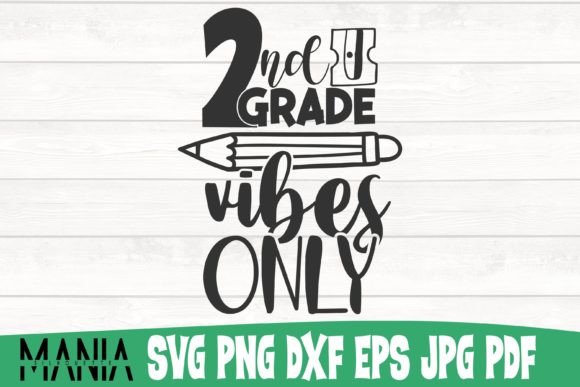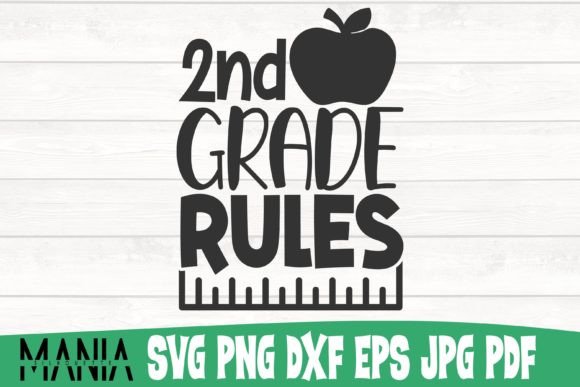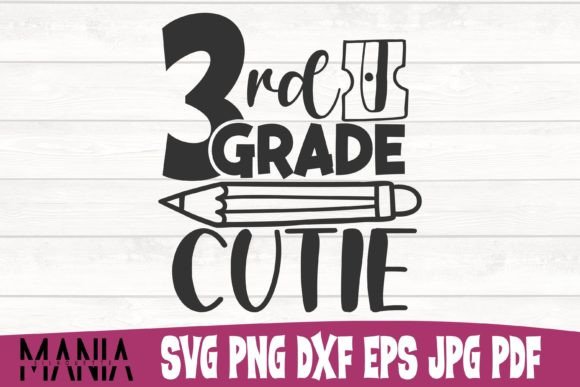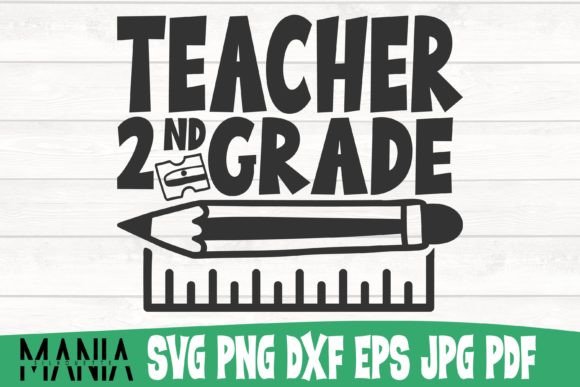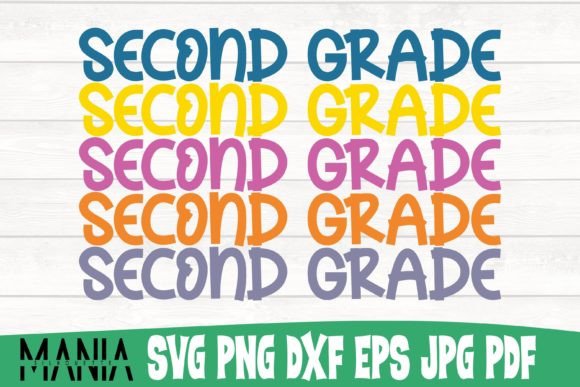
Second Grade Svg Cut File Design: Graphics for Graphic Templates
When I first opened the files included in this pack, my immediate reaction was to think about where this graphic design asset would sit on a shelf. As a brand designer who spends half my day tweaking kerning and the other half worrying about print bleed, I don’t just look at a vector; I look at its potential application. The Second Grade Svg Cut File Design carries a distinct energy. It feels playful yet structured, suggesting a brand personality that is approachable, educational, or perhaps deeply rooted in nostalgia. It isn’t trying to be overly serious or corporate. Instead, it whispers "handmade," "community-focused," and "creative."
This mood makes it an excellent candidate for small business branding projects that want to stand out without shouting. Whether you are launching a boutique children’s clothing line, a local bakery with a whimsical twist, or a handmade soap business that wants to appeal to parents, this design element provides a strong visual anchor. It suggests a friendly, organic vibe that resonates well with consumers looking for authenticity in their purchases.
From Digital Vector to Physical Product Reality
The true test of any design asset is how it translates from screen to reality. This pack is robust, offering versatility that many single-format files lack. Having SVG files perfectly designed for Cricut and Silhouette Studio means you aren't locked into one ecosystem. For local business owners who rely on vinyl cutting for decals, window graphics, or t-shirt production, this is crucial. The precision of the SVG ensures that when you cut it, the edges remain crisp, maintaining the integrity of the logo design or decorative element.
However, the inclusion of EPS files for editing purposes is what truly elevates this for professional use. If you need to adjust the scale for a large banner or modify a specific curve to better fit your brand’s geometric language, having editable vector data is invaluable. It allows for deeper integration into your brand identity system rather than just slapping a sticker on a box. Furthermore, the PNG files transparent background option is perfect for quick mockups or digital marketing materials where you need to layer the graphic over photos of your products without fighting white boxes or awkward borders.
For those in the apparel or home decor space, the JPEG files for Iron On Machines provide a ready-to-use format for direct-to-garment printing or heat transfer applications. This reduces the workflow time significantly, allowing you to move from concept to finished product faster. The addition of a DXF file further broadens the utility, ensuring compatibility with older laser cutter software or specific industrial plotting tools that might not support modern SVG standards.
Strategic Application in Packaging and Promotional Materials
In the world of packaging design, visual hierarchy is everything. You have seconds to grab a customer’s attention. The Second Grade Svg Cut File Design can serve as a powerful hero graphic on product labels. Imagine this design centered on a kraft paper jar for your artisanal honey or wrapped around a candle label. Its structure likely provides enough visual weight to draw the eye, while its style adds character that generic clipart cannot match.
It also shines in the realm of small business branding through collateral. Hang tags are a fantastic place to utilize this asset. A custom hang tag featuring this design instantly elevates the perceived value of a handmade item. It signals to the buyer that care was put into every detail. Similarly, thank-you cards and printable inserts benefit from this kind of decorative element. It breaks up text-heavy layouts and adds a touch of warmth, fostering a stronger emotional connection with your customer.
For social media managers and marketers, this digital product is a goldmine. You can adapt the PNG version for Instagram posts, creating consistent social media graphics that reinforce your brand colors and aesthetic. Use it as a border element in your stories or as a background texture for promotional ads. The ability to scale this vector-based design means you can maintain high resolution whether it’s being viewed on a mobile screen or printed as a large flyer for a local farmers market.
Where It Fits Best and Where to Exercise Caution
To get the most out of this graphic template, you must understand its strengths. It works exceptionally well as a decorative brand element on product mockups. Think of it applied to tote bags, reusable shopping bags, or even packaging tape designs. It adds a layer of polish to marketing visuals that makes them feel more cohesive. For seasonal campaigns, such as back-to-school promotions or holiday gift sets, the playful nature of the design can be leveraged to create festive, engaging content.
However, a seasoned designer knows that not every asset fits every context. You should use this illustration carefully in formal corporate branding settings. If you are designing for a law firm or a financial institution, this playful aesthetic may undermine the authority and seriousness required. Additionally, be cautious when placing it on very small labels. If the details of the SVG are too intricate, they may become muddy when scaled down to the size of a price tag or a tiny cosmetic vial. Always preview the design at actual size before finalizing your product label layout.
Avoid using it in crowded layouts where important legal information or ingredient lists reside. The design should complement the text, not compete with it. If your packaging is already visually dense, adding another graphic element can clutter the message and confuse the consumer. In these cases, simplicity is key. Also, consider contrast. If you are printing on dark backgrounds, ensure the JPEG or PNG version has sufficient contrast to remain legible. Testing this on low-contrast backgrounds is a critical step often overlooked by amateur designers.
Practical Designer Notes for Implementation
Before integrating this asset into your final production files, I recommend a few practical steps. First, test it on real packaging mockups. Seeing the design overlaid on a photo of your actual product helps you judge scale and color harmony. Second, check the black and white usage. Convert the SVG to grayscale to ensure the design holds up without relying on color alone. This is essential for cost-effective printing options like single-color letterpress or simple vinyl cuts.
Preview the design on small labels to verify readability and detail retention. Test it with your specific brand colors to see if the palette enhances or clashes with the existing identity. Compare it side-by-side with competitor packaging to ensure it offers a unique visual distinction. Review the PNG transparency closely; sometimes compression artifacts can appear in free or low-cost assets, so inspect the edges at 100% zoom.
Inspect the SVG or EPS editability by opening it in your preferred vector software. Check if the paths are clean and if layers are organized logically. This saves hours of cleanup time later. Finally, test the design beside various font styles. See how it pairs with serif fonts for a classic look, sans-serif fonts for modern clarity, script fonts for elegance, handwritten fonts for a personal touch, and display fonts for bold statements. The right typography pairing can make or break the overall composition.
Most importantly, confirm commercial licensing before using this asset for client work, business branding, or physical product sales. Ensure you have the rights to reproduce the design on merchandise and digital platforms. With proper preparation and strategic application, the Second Grade Svg Cut File Design can be a versatile tool in your arsenal, helping you create polished, professional branding that resonates with your audience and drives trust in your local business.