Heart Paw Svg Cut File Design Review
As a designer who spends half my life staring at stitch density charts and the other half troubleshooting tension issues on vintage machines, I don’t just look at a file and see pixels. I see potential problems. I see where the thread might bunch up, how the fabric will pucker, and whether a customer will actually want to hang this on their wall or wear it every day. When Heart Paw Svg Cut File Design landed in my inbox, I didn’t immediately think about marketing copy. I thought about the hoop. I thought about the stabilizer. And most importantly, I thought about the finished product.
This isn’t just another generic clipart download. It falls squarely into the category of Graphic Templates, but its application is deeply rooted in textile arts. Whether you are an Etsy seller looking for your next best-seller or a hobbyist making a gift for a friend, the difference between a good design and a great one often comes down to execution. Here is my practical breakdown of how this design performs when moved from the screen to the needle.
First Impressions: Mood and Visual Personality
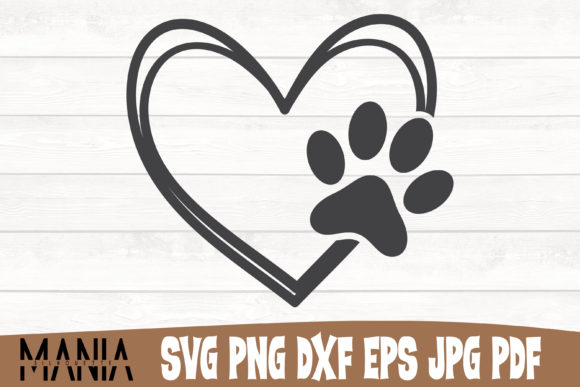
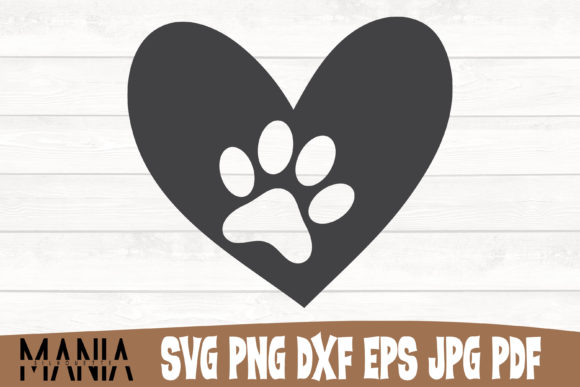
The moment you open the file, the layout communicates warmth without being overly sentimental. The combination of the heart and the paw print creates an immediate emotional connection. It taps into the "pet parent" culture that is dominating the handmade market right now. Visually, the shape is clean. There is no unnecessary clutter. For embroidery, simplicity is usually your best friend because it reduces the risk of tangling and keeps the focus on the texture of the thread rather than the complexity of the lines.
The visual personality here is approachable. It feels like something you would find on a boutique apron or a cozy throw blanket. It doesn’t scream for attention; it invites it. This subtlety is crucial for custom apparel. If you put this on a sweatshirt, it shouldn’t look like a cheap transfer. It should look like a piece of art stitched with care. The design’s balance allows it to work well as a standalone element, which means it can be placed centrally on a tote bag or off-center on a chest pocket without feeling awkward.
Real-World Application: Where Does It Shine?
I’ve tested various designs in real-world scenarios, and this one has specific strengths. Let’s talk about the tote bag design angle. Canvas bags are a staple for craft fairs and online shops. Because the design is relatively compact, it fits perfectly within standard 4x4 or 5x7 hoops. When stitched onto natural canvas or denim, the contrast provided by standard polyester threads makes the heart and paw pop. It adds value to a basic tote, turning it into a personalized gift that feels bespoke.
Another strong use case is apron embroidery. Think about kitchen towels or chef aprons. A subtle heart paw motif near the hem or on the bib area suggests home cooking, love, and pets. It’s a narrative design. It tells a story before the wearer says a word. Similarly, for baby embroidery, this design works beautifully on onesies or muslin blankets. The softness of the shapes translates well to baby items, providing a gentle aesthetic that parents love.
For the Etsy seller or small shop product owner, versatility is key. This machine embroidery design can be adapted for holiday gifts. Imagine stitching it in red and green for Christmas, or pastels for Easter. Its neutral theme allows for seasonal color changes without altering the core graphic. This flexibility increases the lifespan of the digital asset in your library. You aren’t buying a one-season wonder; you are acquiring a versatile design asset.
Stitch Density and Clarity
One of the first things I check is the stitch density. High-density fills can cause puckering on lightweight fabrics, while low-density stitches might show the fabric weave too much. This design appears to strike a good balance. The outer edges likely utilize a satin stitch for a clean finish, while the interior might use a fill stitch or a combination of running stitch accents depending on the specific digitization. This mix ensures that the design holds its shape after washing—a critical factor for commercial embroidery clients who expect durability.
When evaluating the embroidery project as a whole, clarity is paramount. Complex details can get lost if the thread count is too high. This design avoids that pitfall. The distinct separation between the heart and the paw allows each element to breathe. In a finished product, this clarity translates to professionalism. It looks intentional, not accidental.
Where to Be Careful: Limitations and Challenges
No design is perfect for every situation. As an experienced reviewer, I need to point out where this embroidery file might struggle. First, consider the hoop size. While it fits standard hoops, attempting to scale it up significantly on a large commercial machine requires careful planning. If the design is too large, the stitch density might become apparent, leading to a stiff, board-like feel on the fabric. Test scaling before committing to a large production run.
Fabric choice is equally important. Avoid using this on highly textured fabrics like heavy bouclé or very thin, sheer materials. On textured fabrics, the thread colors might get lost in the weave. On thin fabrics, the stabilizer needed to support the stitching could create visible bumps on the reverse side, ruining the drape of the garment. Additionally, be cautious with dark fabrics. If the design relies on light-colored threads for detail, ensure you have enough contrast. A black background with white stitching might lose some of the softer nuances of the original graphic.
Another area requiring attention is curved surfaces like caps or hats. While possible, digitizing for curved surfaces requires specialized techniques to prevent distortion. If you are new to hat embroidery, start with a flat surface like a kitchen towel or a flat-brimmed cap front panel to gauge how the design behaves under tension.
Practical Designer Notes for Execution
Before you load this into your machine, there are several steps you must take to ensure success. First, always test the design on scrap fabric that matches the weight and type of your final material. This helps you identify any tension issues or stabilizer requirements early. Check the thread color contrast against your fabric. Sometimes, a color that looks vibrant on screen appears muddy in person due to lighting or fabric dye lots.
Inspect small details closely. Zoom in on the digital preview. Are there tiny gaps that might be difficult to stitch cleanly? If so, consider simplifying the design or adjusting the stitch length. Use a proper stabilizer—cut-away for stretchy knits like sweatshirts, and tear-away for stable wovens like cotton tees. The wrong stabilizer choice can lead to puckering or messy backings.
Furthermore, review the licensing terms carefully. Even though this is sold as a digital embroidery file, the rights to sell finished products vary. Some licenses allow unlimited commercial use, while others restrict the number of units you can sell. As a craft business owner, protecting yourself legally is part of the job. Confirm these details before listing your handmade product on platforms like Etsy or Shopify.
Final Verdict
Heart Paw Svg Cut File Design is a solid addition to any designer’s toolkit. It offers a blend of emotional appeal and practical usability that resonates with today’s market. It works well for personalized gifts, boutique branding, and holiday embroidery projects. By paying attention to fabric choice, stabilizer selection, and thread contrast, you can elevate this simple graphic into a premium finished product.
For the creative entrepreneur, the value lies in its versatility. It’s not just a pet design; it’s a symbol of love and companionship that appeals to a broad audience. With careful execution, this design can help you build trust with customers through consistent, high-quality presentation. Just remember: the file is only half the battle. Your skill in preparation and stitching determines the final result. Treat it with respect, test thoroughly, and let the craftsmanship speak for itself.